Why Enterprise Event Delivery Becomes Complex (And How Leading Teams Simplify It)
Enterprise event programmes rarely start out complex. They begin with a clear objective. A single platform. A defined process.
But over time, things evolve.
New requirements emerge.
Different teams get involved.
Additional tools are introduced to solve specific challenges.
Before long, what was once simple becomes layered – and harder to manage.
How complexity builds
In most enterprise environments, complexity doesn’t arrive all at once.
It develops gradually through:
- Separate registration systems
- Standalone event apps
- Independent badging solutions
- Manual processes to keep branding consistent
Each addition solves a problem in isolation.
But together, they create fragmentation.
The operational impact
When systems don’t connect:
- Teams spend more time managing processes than delivering experiences
- Data becomes harder to track and use effectively
- Onsite delivery carries more risk
What should feel seamless starts to feel reactive.
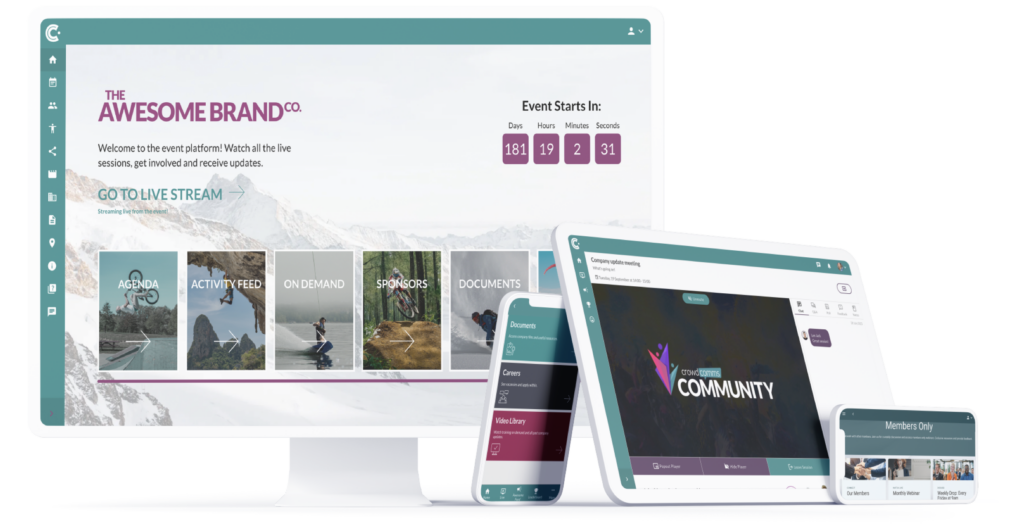
Why adding more tools isn’t the answer
It’s easy to assume that new requirements need new solutions. But in practice, more tools often increase complexity rather than reduce it.
Leading enterprise teams are taking a different approach they’re simplifying by bringing everything into one connected environment.
What simplification looks like
Simplification doesn’t mean reducing capability.
It means:
- One platform across registration, apps, badging and delivery
- Consistent branding across every touchpoint
- Data flowing naturally between systems
- Teams spending less time managing and more time delivering
How EDF approached it
When EDF reviewed their event delivery, the goal wasn’t to add more.
It was to simplify.
By aligning their event technology, they were able to:
- Reduce operational complexity
- Improve consistency across events
- Deliver more efficiently at scale
Final thought
Complexity in enterprise events is often a sign of growth.
But it doesn’t have to be permanent.
With the right approach, it can be simplified, without compromising what your events deliver.
If you’re reviewing your event setup, book a 15-minute conversation with our team.