Create immersive online and hybrid experiences that engage audiences anywhere, with our virtual and hybrid events platform.
Fully customizable, secure, and accessible by design — CrowdComms gives you the tools to connect people, content, and communities seamlessly.






We know events — because we’ve been part of them for years. Our hybrid and virtual event platform is tried, trusted, and tailored to make life easier for event planners everywhere.
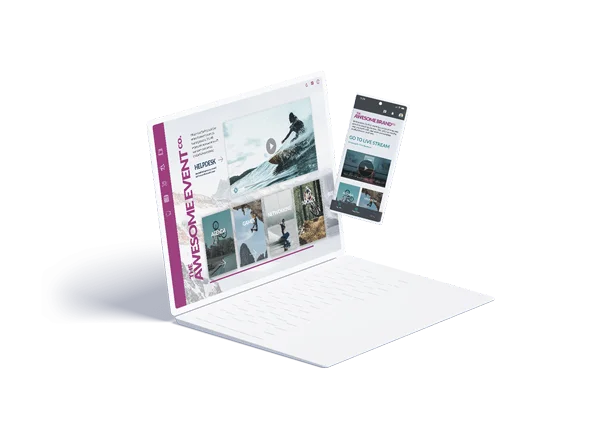
Powerful technology made simple — everything you need to run virtual and hybrid events with confidence and control.
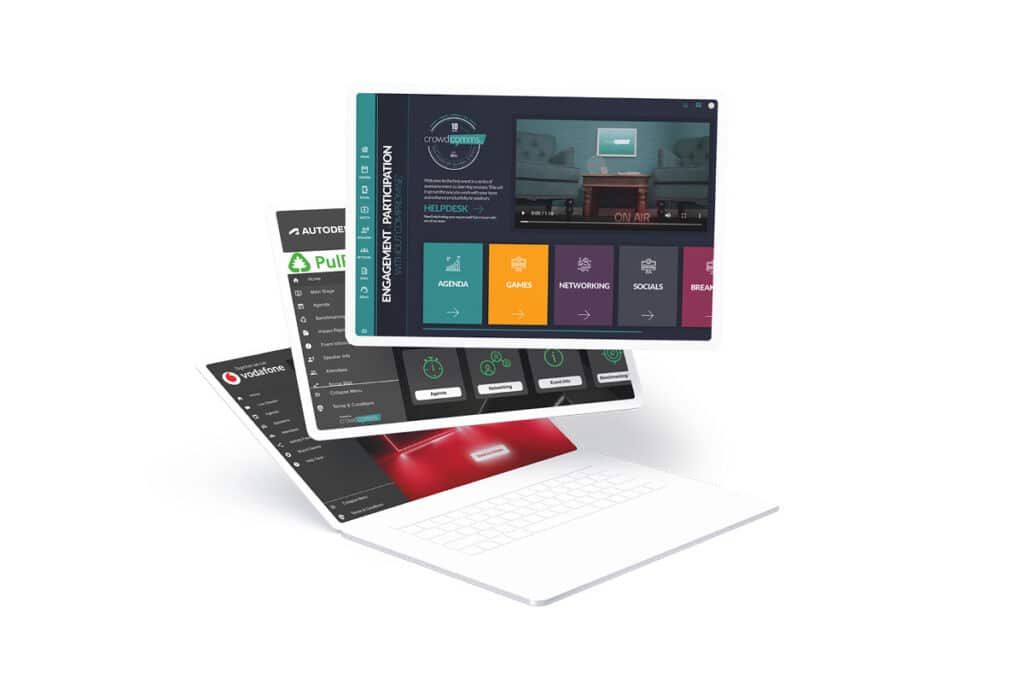
Every detail reflects you. Customise colours, layouts, and content with ease using ready-to-go design templates or create something completely unique.
Whatever your vision, your event branding takes centre stage.
Work smarter, not harder.
With powerful integrations and an open API, you can easily connect your favourite tools — from CRM and marketing systems to analytics and streaming platforms — for a unified event experience.


Peace of mind comes standard. CrowdComms is ISO 27001 certified, GDPR compliant, and built on secure cloud infrastructure, so your data — and your attendees’ — is always protected.


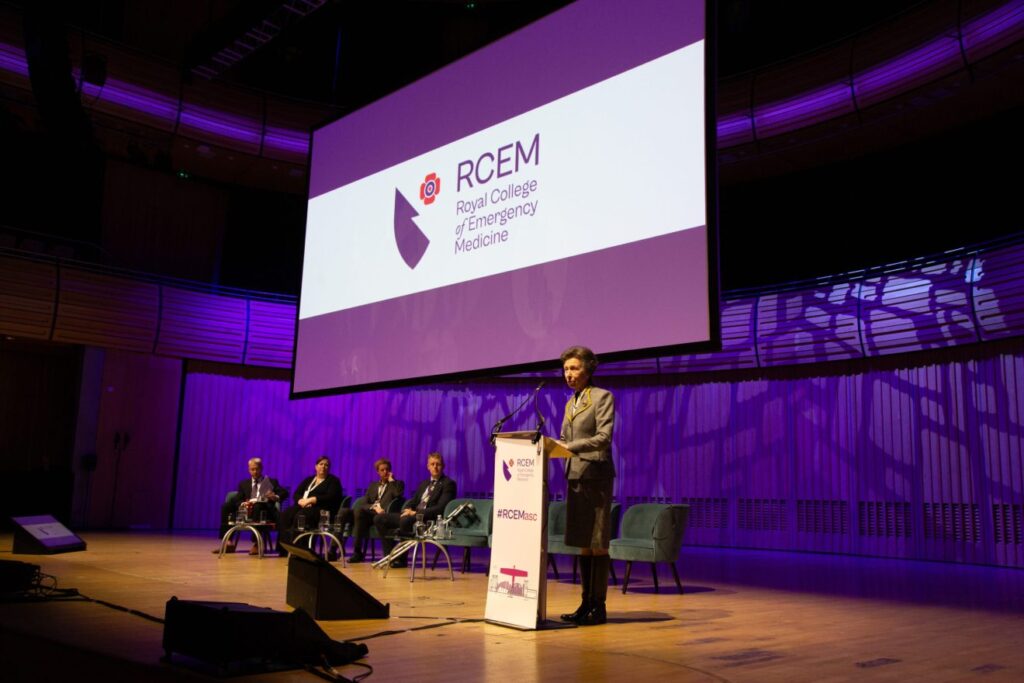
The Royal College of Emergency Medicine partnered with CrowdComms to transform their annual conference into a connected hybrid experience.
With seamless live streaming, interactive engagement tools, and a platform that united virtual and in-person delegates, RCEM delivered a high-impact event that grew year on year — proving what’s possible when technology and partnership work hand in hand.
We pride ourselves on the quality of our training. Whether it’s self-build assistance, speaker briefings or just a chance to ask questions, we want you to feel reassured and confident with the technology going into event day.
Your data security is our top priority. With CrowdComms’ ISO-27001 and SOC2 accreditations, rest assured your event information is safeguarded to the highest standards.
Our streaming technicians and production managers have a keen eye for detail and will do all they can to ensure that your event is a huge success. No matter what your requirements, the production team will make sure you and your event are well looked after.
Our virtual & hybrid event software allows attendees to replay event highlights or deliver content to those who couldn’t attend. The easy access Video Library stores session content for post-event viewing. Attendees can watch as much or as little as they like, whenever and wherever they like.
Whatever the size and requirements of your event, we’ll have it covered. Simultaneous sessions, split audiences, multiple breakouts and personalised agendas are all easily managed within our intuitive CMS.
Help your virtual attendees to engage with the event content while watching your virtual livestream. The engagement panel allows attendees to participate in a range of interactive event features during the session broadcast. These include live polling, vote-up questions during Q&A sessions, taking notes and networking. And, for those who like to watch and explore, our handy pop-out screen delivers a seamless viewing experience whilst navigating other areas of the platform.
Empower attendees to interact and make meaningful connections throughout the event and beyond. Dedicated networking rooms give attendees dynamic spaces to effortlessly join video conversations with other attendees and watch event live streams as groups, as well as features such as 1-2-1 messaging, activity feeds and business card exchanging.
Showcase your sponsors through branded pages, sessions and alerts, banner displays and customisable sponsor profiles. Allow delegates to easily connect with sponsors and exhibitors with meeting booking functionality and virtual business cards.
Encourage discussion to continue in breakout sessions, which can be seamlessly incorporated into your schedule. Arrange breakouts by topics or themes, use them to break the ice or to facilitate attendee networking. If you’re using Zoom, leverage all the functionality they provide without leaving CrowdComms’ event platform.
Keep attendees, sponsors and speakers updated in real-time with platform alerts and notifications. Use alerts to encourage your audience to perform specific actions, such as surveys, ensuring you get maximum participation when you need it the most.
From the launch of your event to its completion, we make it easy for event planners to quantify the success of their virtual event. Track the number of viewers in real-time and download data and analytics on all aspects of your event from participation by session, video calls and 1:1 chats to interaction with virtual sponsor booths, live polls and event games.
Whether you’re running a global conference, managing internal corporate meetings, or delivering high-impact virtual and hybrid experiences, our online event registration system is built to support you at every step.
Created with the needs of event planners, event managers, conference organisers, and corporate teams in mind, the CrowdComms Event Registration Platform takes the complexity out of attendee management—so you can focus on delivering an exceptional event.
From tailored pre-registration journeys to on-site check-in and post-event analytics, our platform combines sophistication with simplicity to help you create events that engage, impress, and perform.
An event platform is a digital tool that brings together the technology needed to plan, manage, and deliver an event in one place.
For anyone asking what is an event platform, it typically includes features such as:
Overall, an event platform helps streamline event delivery and create a more connected experience for organisers, attendees, exhibitors, and sponsors.
The difference between event platform vs event app is mainly about scope and how each is used.
When comparing event app vs event platform, the platform manages the event behind the scenes, while the app is one of the main ways attendees interact with it.
There isn’t a single best event platform for every conference or corporate event. The right choice depends on your goals, event size, audience, and requirements.
Popular options include:
When evaluating top event platforms 2026, look for solutions that combine registration, engagement, networking, communications, and reporting within a single ecosystem.
Ultimately, the best event platform corporate teams can choose is one that aligns with their event objectives while making delivery easier for organisers and attendees alike.
The event platform cost can vary significantly depending on your event size, required features, and level of support. As a general guide:
Different providers use different pricing models, including per-event, per-attendee, and annual subscription options. As a result, the cost of event platform solutions can vary considerably based on your requirements.
The final event platform price will depend on factors such as registration, event apps, badging, engagement features, integrations, and support services.
If you’re wondering how to choose event platform solutions, it helps to focus on what really matters for your event.
This approach can serve as a practical event platform buyers guide, helping you compare options based on your actual requirements rather than feature lists alone.
Ultimately, picking event platform technology is about finding a solution that aligns with your goals, simplifies event delivery, and creates a better experience for everyone involved.
Yes. Many modern solutions are built as an event platform all formats solution, allowing organisers to manage virtual, hybrid, and in-person events from a single system.
These platforms typically include features such as live streaming, onsite check-in, event apps, networking, and engagement tools, helping create a seamless experience for all attendees regardless of how they participate.
A virtual hybrid in person event platform makes it easier to deliver consistent experiences across different event formats without relying on multiple disconnected tools.
This type of unified event platform gives organisers the flexibility to run any type of event while keeping data, communications, and attendee experiences connected.
Good event platform features should support the full event lifecycle while making things easier for organisers and attendees alike.
Key features include:
These are often considered the must have event platform features for organisations looking to manage events efficiently and create engaging attendee experiences.
A practical event platform checklist should include the features most relevant to your event goals, audience, and format requirements.
To migrate event platform solutions successfully, it’s important to take a structured approach and focus on the areas that matter most to your events.
A simple process includes:
Whether you need to switch event platform providers or undertake a larger migration project, careful planning and testing can help ensure a smooth transition.
For example, a move from Cvent to alternative platforms may involve reviewing workflows, integrations, and data requirements to ensure you get the most value from your new solution.
Yes. Most modern platforms support event platform Zoom Teams integrations, allowing you to run sessions using familiar video tools while managing the wider event experience from a single system.
Typically, this means you can embed Zoom or Microsoft Teams sessions directly into your event, synchronise attendee data automatically, and allow attendees to join sessions through the platform.
An event platform video integration helps create a more seamless experience by connecting virtual sessions with registration, agendas, engagement tools, and reporting.
Many organisers also look for Zoom event platform capabilities so they can continue using existing video tools while benefiting from a broader event management ecosystem.
Event platform ROI comes from generating more value from your events than the cost of the technology itself.
Platforms help improve ROI by automating manual processes, increasing attendee engagement, and providing clear reporting that makes it easier to track performance and demonstrate impact. This helps events become more efficient, measurable, and valuable to the organisation.
To measure event platform ROI, organisations often look at factors such as time savings, attendee engagement, lead generation, revenue, and overall event outcomes.
The true event platform value comes from improving both the attendee experience and the operational efficiency of event delivery.
Yes. Most modern platforms include event platform ticketing registration capabilities as standard, allowing organisers to manage sign-ups, sell tickets, process payments, and track attendees from a single system.
Integrated event platform payments help keep transactions and attendee data connected, reducing manual administration and improving reporting.
Yes. Many modern solutions include an event platform mobile app, allowing attendees to view agendas, network, receive updates, and engage with event content directly from their phone.
An event platform with app functionality helps create a more connected attendee experience by keeping key event information and engagement tools in one place.
Event platform sponsor support helps sponsors generate value before, during, and after an event through a combination of visibility, engagement, and measurable outcomes.
In practice, this often includes:
A good sponsorship event platform helps organisers deliver greater value to sponsors while creating more meaningful opportunities for attendee engagement.
Yes. An event platform multi event setup allows organisers to run and manage multiple events simultaneously from a single system.
This makes it easier to plan, track, and deliver different events, or even an entire event programme, while keeping everything centralised in one place. It can be particularly valuable for organisations running event series, conferences, or events for multiple clients.
A concurrent events platform helps teams stay organised by managing separate events side by side without needing multiple systems.
Using a single platform can also improve efficiency through shared templates, centralised data, and consistent workflows across all events.
When comparing event platform vs webinar platform, the main differences come down to scale, functionality, and attendee experience.
When comparing webinar vs event platform solutions, the key distinction is that webinar platforms focus on delivering content, while event platforms are designed to manage and enhance the entire event experience.
Yes. If you’re looking at event platform associations requirements, most modern platforms are well suited to associations, professional bodies, and membership organisations.
They can help manage member and non-member pricing, track engagement, and connect event activity back to a central membership database. Many platforms also support networking, member directories, and community features that extend engagement beyond the event itself.
A good membership event platform helps associations create value throughout the year rather than relying solely on individual events.
An association event platform can also support ongoing member engagement, making events part of a broader membership experience rather than standalone meetings.
Yes. Event platform networking matchmaking capabilities are a standard feature of many modern event platforms, helping attendees discover relevant connections, exchange messages, and book meetings in one place.
Many event platform networking features are designed to encourage meaningful interactions before, during, and after the event, making it easier for attendees to build valuable relationships.
Some platforms also offer AI matchmaking event platform functionality, using attendee interests, goals, and behaviour to recommend relevant connections and networking opportunities automatically.
When making an event platform comparison Cvent Bizzabo Swapcard, you’ll find that all four providers cover the core event journey, but each has a different area of focus:
For organisations looking for a Cvent alternative, Bizzabo alternative, or Swapcard alternative, the right choice will depend on whether your priority is enterprise scale, attendee experience, networking, flexibility, or hands-on support.
Ultimately, selecting a platform comes down to finding the solution that best aligns with your event goals, team requirements, and attendee expectations.
Yes. There are a number of free event platform options available, particularly for smaller or simpler events.
Many free event platforms offer core features such as registration, attendee management, and basic event pages, making them a good starting point for organisations with limited budgets or straightforward requirements.
Tools like Eventbrite, as well as free webinar platforms such as Zoom and Google Meet, are common examples. However, these solutions often have limitations around attendee numbers, branding, networking, reporting, or advanced functionality.
A no cost event platform can work well for testing an idea or running a small event, but larger or more complex events often require a paid solution to access the features and support needed for success.
Yes. A multilingual event platform makes it much easier to deliver events to international audiences by supporting multiple languages across the attendee journey.
Many platforms allow organisers to translate registration pages, agendas, websites, emails, and app content so attendees can interact with the event in their preferred language.
Some solutions also include event platform translation features such as live captions, AI-powered translation, and interpreted audio streams during sessions.
A multi language event platform helps create a more inclusive and accessible experience while making it easier to run global events from a single system.
Event platform security enterprise requirements are typically well supported by modern platforms, particularly those designed for large-scale or regulated events.
They often include:
Strong enterprise event platform security helps organisations meet internal IT, legal, and compliance requirements while protecting attendee and event data.
Many organisations also look for event platform ISO27001 compliance as an indicator of mature security processes and information management practices.
While no system is completely risk-free, a well-built enterprise event platform provides robust safeguards and helps build trust with organisers, attendees, sponsors, and exhibitors.
Yes. A white label event platform allows agencies to deliver events under their own brand, creating a consistent experience across registration pages, event apps, emails, and other attendee touchpoints.
Most platforms support custom branding, including logos, colours, fonts, and custom domains, helping agencies present a professional and fully branded solution without building their own technology.
A white label event platform agency solution is particularly valuable for organisations managing events on behalf of multiple clients, as branding can often be customised for each event.
Some providers also offer agency event platform reseller programmes, allowing agencies to package and deliver event technology as part of their own service offering.
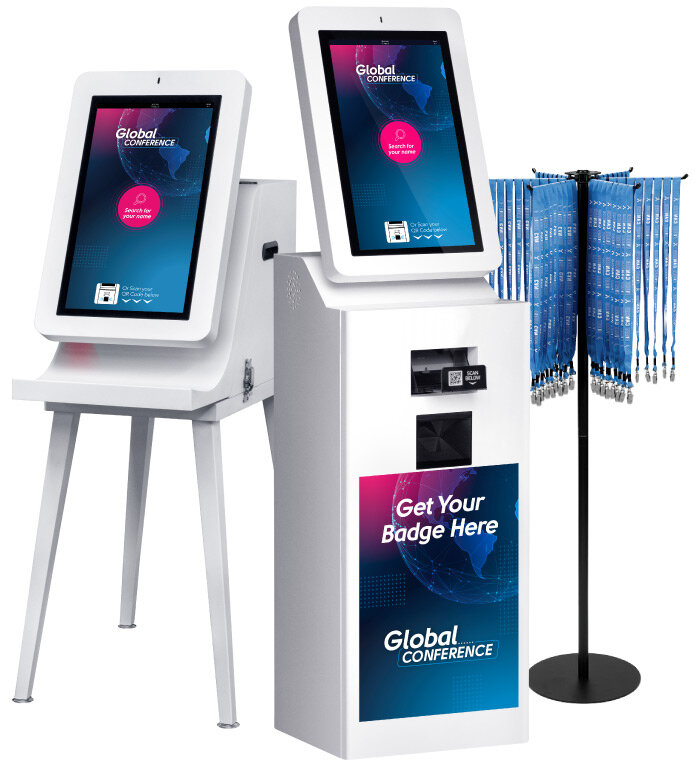
Utilize our integrated onsite badge solutions to support your hybrid events.
Compact, lightning-fast and brandable, registering attendees and printing event name badges couldn’t be any smoother.
Our Onsite Badges solution, detailed here, is designed to maintain the integrity of your event’s professional atmosphere.