
If you are an event organiser inside an association, enterprise team, or agency, this is one of the fastest ways to improve event ROI without increasing your event calendar. Whether you are an experienced or novice event organizer, choosing a platform with easy setup and robust management tools is essential for running successful virtual events.
Virtual events can include a variety of event formats such as webinars, virtual conferences, and online workshops, each offering unique opportunities for engagement and content creation.
Before we get tactical, it’s worth grounding this in the wider picture. If you are still deciding on your tech stack, or you want a full buyer guide on choosing the right virtual event platform, read this first and come back: Best Virtual Event Platform 2026 (internal link: best virtual event platform). Selecting a reliable online platform that matches your event’s size and objectives is crucial. Choosing the right virtual event platform depends on the unique qualities of your event and the specific goals you want to achieve as an organizer.
You can also revisit why virtual events are still relevant here: Your Ultimate Guide to Virtual Events.
Why virtual events still win in 2026 (even with physical events back)
Physical events create energy. Virtual events create leverage. Virtual events allow participation from a broader audience due to their flexibility in time and location, eliminating geographical and logistical barriers.
When you run online events, you are capturing:
- High-intent audience questions
- Subject-matter expertise from speakers
- Real audience language (pain points, objections, priorities)
- First-party engagement data
- Content that can be reused without rebooking talent
Virtual events are also cost-effective compared to in-person events, as they eliminate expenses related to venue rental, catering, and logistics.
That is why the smartest teams are building an always-on content strategy around virtual events, not separate from them.
Turning virtual events into content engines
Recorded sessions can become:
- On-demand content hubs
- Lead magnets and gated resources
- Sales enablement assets
- SEO-friendly long-form content
These assets support lead generation and help identify qualified leads for future sales efforts.
Associations and enterprises that do this well extend event ROI far beyond event day. Agencies can package this approach as a value-added layer for clients.
The goal is simple: stop letting your best content vanish the moment the virtual meeting ends.
Setting measurable outcomes, such as lead generation and attendee satisfaction, is crucial for successful virtual events.

The repurposing mindset: one session, many outcomes
Here is the shift that changes everything.
Instead of thinking: “We hosted a webinar.”
Think: “We captured a content library, audience insight, and proof of expertise.”
That mindset makes virtual events platforms more than delivery tools. They become marketing engines. By leveraging interactive and hyper-personalized features, virtual event platforms can create immersive experiences and memorable experiences for attendees, moving beyond passive broadcasting to drive deeper engagement and lasting impact.
1) Build an on-demand content hub that people actually use
Most on-demand libraries fail for one reason: they feel like a folder of recordings.
A high-performing on-demand content hub is curated. It guides people to the next step.
Practical ways to make it work:
- Group sessions by topic (not by event agenda order)
- Write short “who this is for” descriptions under each video
- Add key takeaways and timestamps so it feels usable
- Include a clear CTA on every session page
Analyzing attendee behavior within the content hub can provide comprehensive insights into engagement and session performance. Virtual event platforms also provide valuable data and analytics that can be leveraged for future event planning and marketing strategies.
If you want the hub to rank in search, make sure each session has its own indexable page with unique supporting copy.
Internal linking opportunity: Link “on-demand content hub” back to your main virtual and hybrid landing page.
2) Turn sessions into lead magnets and gated resources
Gating does not need to mean locking the whole video behind a form.
A better approach is “value exchange gating”:
- Leave the session video ungated
- Gate the premium companion asset
What companion assets work best?
- A checklist that summarises the session into actions
- A framework template (slides, worksheet, scorecard)
- A short playbook with examples
- A “benchmark insights” PDF from your event data
This works well because it respects the audience and still captures leads. Creating high-quality, in-depth content and following up with attendees are both essential for effectively capturing leads and maintaining long-term engagement.
Social media benefit: these assets are also perfect for LinkedIn carousel posts. Personalizing post-event follow-up is crucial for maintaining engagement and building relationships with attendees.
Gathering feedback through a post event survey is essential to understand attendee experience and improve future virtual events.
3) Create sales enablement assets your team will actually use
Sales teams rarely send 60-minute videos. They send short, specific proof.
This is where virtual event content becomes powerful.
Build a “sales enablement pack” from your virtual event experience:
- 30 to 90 second clips answering common objections
- A “best moments” reel for social proof
- A one-page summary PDF of the session’s core points
- A short email snippet your sales team can paste into outreach
The magic is relevance. One clip per objection is far more useful than one generic highlight reel.
4) Turn virtual event sessions into SEO-friendly long-form content
If you want to win in search, this is the highest-leverage play.
A virtual events session is essentially a research-backed outline created by an expert, with built-in FAQs from audience questions. That is SEO gold.
A simple way to convert a session into an SEO article or blog post:
- Choose one session with a clear topic and strong Q&A
- Pull out the top 5 to 8 audience questions
- Build your headings around those questions
- Add examples, frameworks, and practical steps
- Include a short CTA linking back to your platform or next event
Each blog post derived from a session can help you gain insights into audience interests and content performance.
This creates content that is naturally E-E-A-T aligned because it is anchored in real speaker expertise and real attendee participation.
Internal linking opportunity: In each spin-off article, include a contextual link back to your pillar: Best Virtual Event Platform 2026 .
Using analytics and reporting can help measure the success of your event content and inform future marketing strategies.
Virtual events and search visibility
Virtual events support SEO by:
- Generating authoritative content
- Supporting topical expertise
- Driving branded search
- Creating linkable assets
Virtual events can take many forms, including virtual conferences, virtual job fairs, online classes, and virtual trade shows. Each event type offers unique content opportunities that can further enhance search visibility.
This is particularly powerful for associations and B2B brands building thought leadership.
Why search engines like virtual event content
Search engines reward depth, clarity, and relevance. Virtual event content naturally delivers all three because:
- Sessions focus on a specific problem
- Speakers add expert perspective
- Q&A adds natural language and long-tail queries
- Recurring events strengthen topical authority over time
Virtual event platforms also enhance audience engagement and provide valuable networking opportunities through interactive features such as live polling, Q&A sessions, and chat functionalities.
If you are trying to build a stronger organic presence, virtual events are one of the most consistent ways to publish high-value content without burning your team out.
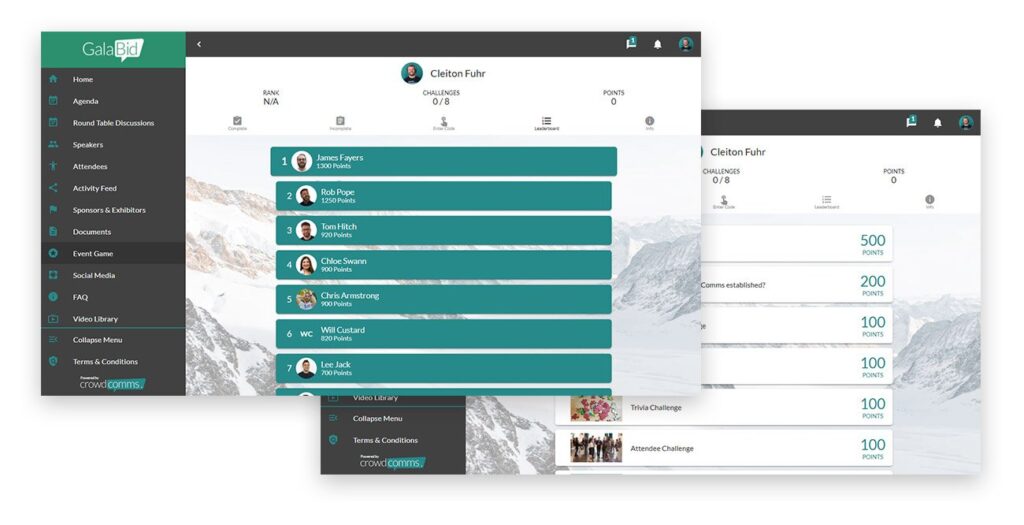
A practical “post-event content engine” workflow (steal this)
Here is a workflow agencies, enterprises, and associations can run after every virtual event:
Within 48 hours
- Publish 3 short clips on social
- Email attendees with the replay link
- Create one “key takeaways” post
Within 7 days
- Publish the on-demand hub updates
- Create one gated asset from the top session
- Pull the top 10 audience questions for future content
Within 30 days
- Publish 2 SEO blogs based on sessions
- Create a sales enablement pack (clips + summaries)
- Plan the next online event topic based on engagement data
- Gather feedback through post-event surveys to understand attendee experience and use insights to improve future events
This turns each event into a predictable content rhythm, not a one-off scramble.
Measuring event success: tracking the impact of your content engine
To truly measure event marketing success, you need more than just a headcount or a list of ticket sales. The most effective event marketers know that tracking the right metrics is essential for refining your event marketing strategy, proving ROI, and planning your next event with confidence.
Set clear goals from the start. Whether your aim is to generate leads, boost attendee engagement, or increase brand awareness, defining your event goals upfront will guide your measurement efforts. For every event—virtual, in-person, or hybrid—align your KPIs with these objectives.
Link this back to virtual event platform choice (and why it matters)
This content strategy only works if your platform supports:
- Clean session recording and replay access
- Engagement and Q&A capture
- Analytics on what content performed best
- A strong attendee experience across devices
- Simple sharing and post-event access
Virtual event platforms streamline event management by enabling organizers to easily schedule sessions, manage registrations, and track attendance. Many platforms also offer branding and customization options, allowing you to create a personalized experience that aligns with your brand identity.
If you are evaluating what you need from your virtual events platform, start with the full guide here: Best Virtual Event Platform 2026 (internal link: best virtual event platform 2026).
And for the wider context on virtual events and why they still matter, link to: Your Ultimate Guide to Virtual Events.
Final thought
Virtual events are still relevant in 2026 because they do something physical events cannot do at the same scale: create reusable content and measurable insight.
If you treat your virtual event experience as a content engine, you stop thinking in terms of “event days” and start building year-round momentum. Virtual event platforms provide valuable data and analytics that can be leveraged for future event planning and marketing strategies. By analyzing insights from past events, you can optimize and strategize for future events, ensuring continuous improvement and greater engagement.
When you are ready to connect platform, engagement, and post-event value into one strategy, speak to the humans behind the tech at CrowdComms.