Many event attendees download the app because they are told to, open it once to check the agenda, and never return. That is not an engagement problem. It is a usefulness problem.
This article explores what actually makes a mobile event app work in the real world, based on how people behave at in-person events, not how event platforms are marketed.
Start with utility, not features
A good mobile event app earns its place by being helpful first. Before thinking about attendee engagement tools, interactive features, or networking mechanics, the app has to answer some very basic questions quickly:
- Where do I need to be next?
- What is happening right now?
- Has anything changed?
- How do I find the information relevant to me?
If an event app cannot do those things effortlessly, everything else becomes noise.
Too many event platforms lead with features rather than problems. Gamification, polls, matchmaking, social feeds. These can all have value, but only once the fundamentals are solid.
Access matters more than most people realise
One of the biggest barriers to adoption is access. If attendees struggle to get into the app, they simply will not use it.
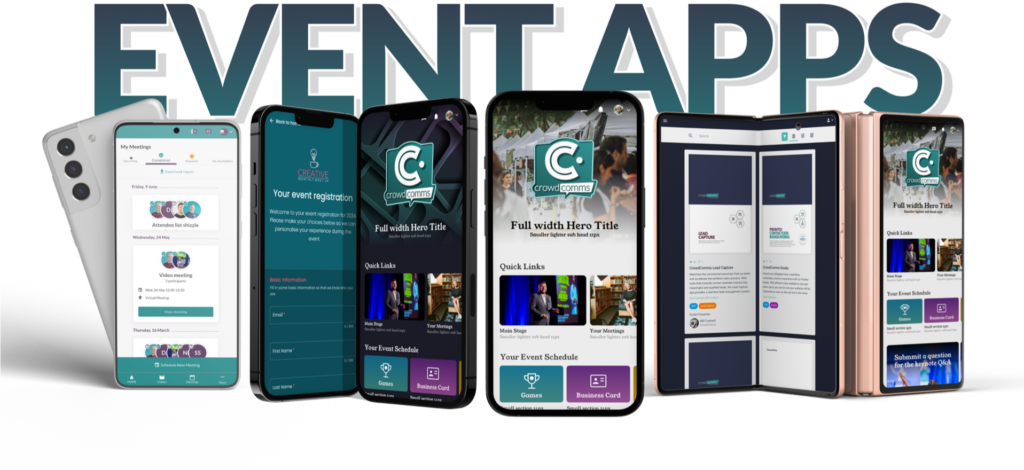
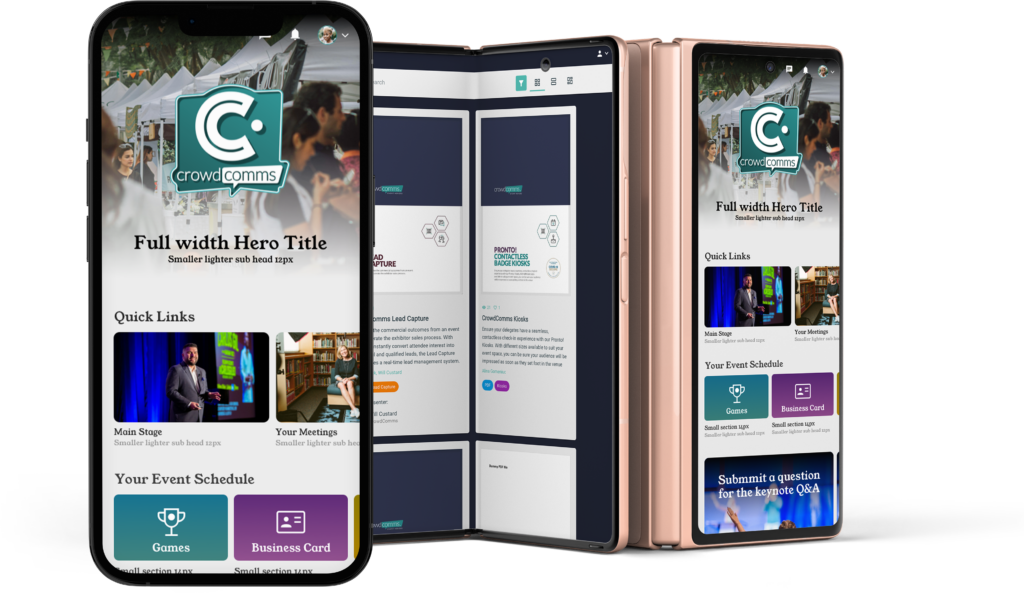
The best event apps give people choice. Some attendees want to tap a link in their confirmation email and open the app instantly in a browser. Others prefer a native mobile app they already have installed. Some want to use the app on a laptop during sessions.
A strong mobile event app or conference app supports all of these behaviours. Authentication should be secure but fast, with as little friction as possible. Every extra step at login costs engagement.
Familiar design builds confidence
When attendees open an event app, they should not have to learn how it works.
Consistency with the event website, registration journey, and overall event brand makes a huge difference. Familiar layouts, clear navigation, and predictable patterns help people move quickly and confidently.
This is not about visual flair. It is about reducing cognitive load so attendees can focus on the event, not the technology supporting it.
The agenda is the heart of the app
No matter how sophisticated an event management platform claims to be, the agenda remains the most used feature of any event app.
Attendees expect to see:
- A clear master agenda showing everything happening
- A personal schedule they can customise
- Favourites or saved sessions
- Real-time updates when things change
For in-person events, the agenda helps attendees navigate busy venues and manage limited time. For corporate meetings, it provides structure across complex programmes.
If the agenda experience is clunky, the rest of the app rarely gets a second chance.
Real-time updates create trust
Printed schedules fail the moment something changes. Mobile event apps exist to solve that problem.
Speakers change. Sessions move rooms. Titles are updated. Announcements need to go out quickly. When attendees see changes reflected instantly, they begin to trust the app as the single source of truth.
That trust is what brings people back to the app throughout the event.
Personal relevance keeps attendees engaged
Personalisation does not have to be complicated to be effective.
If an event management platform has collected preferences during registration, the mobile app should use that information sensibly. Highlight relevant sessions. Surface content that matters. Remove distractions that do not.
The goal is not to overwhelm attendees with options, but to help them make faster decisions with less effort.
This is one of the most effective ways to boost attendee engagement without adding more features.
Engagement does not mean screen time
A common misconception is that a successful event app keeps people staring at their phones.
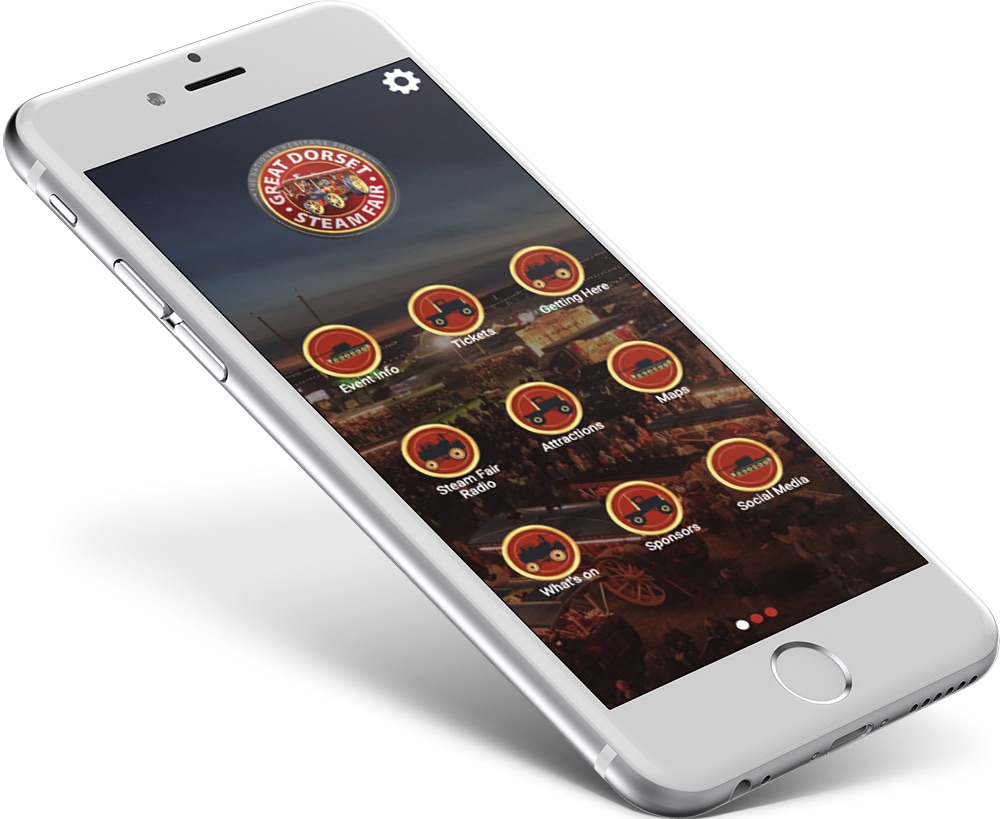
In reality, the best event apps support short, purposeful interactions. Attendees dip in, get what they need, and put the phone away.
Good engagement looks like confidence, not constant usage. It shows up in people arriving on time, attending the right sessions, and having better conversations.
Supporting event networking without forcing it
Event networking works best when it feels natural.
A simple event app can support this by giving attendees enough context to start conversations. Profiles, shared interests, and light-touch matchmaking help people decide who they should meet and why.
The ability to schedule meetings in advance is particularly valuable at conferences and exhibitions, where time is limited and priorities matter.
The app should support connection, not replace real interaction.
Interactive features should earn their place
Live polls, Q&A, and session feedback can enhance the event experience, but only when used with intent.
Interactive features work best when they:
- Have a clear purpose
- Are easy to access
- Respect the flow of the session
Just because a feature exists in an event platform does not mean it improves attendee engagement.
Event data matters after the event ends
Beyond the attendee experience, mobile event apps generate valuable event data.
Event managers and event organizers can see what sessions were popular, where engagement dropped, which meetings took place, and how content was consumed.
Used well, this data supports better decision-making, clearer reporting, and stronger future events.

What the best event apps have in common
The best event app is rarely the most complex one.
It is the app that helps attendees navigate confidently, supports meaningful networking, keeps information accurate, and quietly enhances the overall event experience.
When mobile event apps are designed around real behaviour rather than feature lists, they become an essential part of modern event management.