With CrowdComms Attendance Tracking, organizers gain real-time visibility into attendee movement and session participation without slowing the flow of the event.
Using automated badge scanning, secure dashboards, and detailed post-event reports, you’ll know exactly who attended, where, and when.
From capacity management to VIP access, CrowdComms makes tracking effortless while delivering the insights you need to measure event success.


See which sessions attract the biggest audiences, instantly.
Monitor traffic across checkpoints to prevent bottlenecks.
Provide stakeholders with demonstratable attendance data.
Control access to restricted areas and sessions.
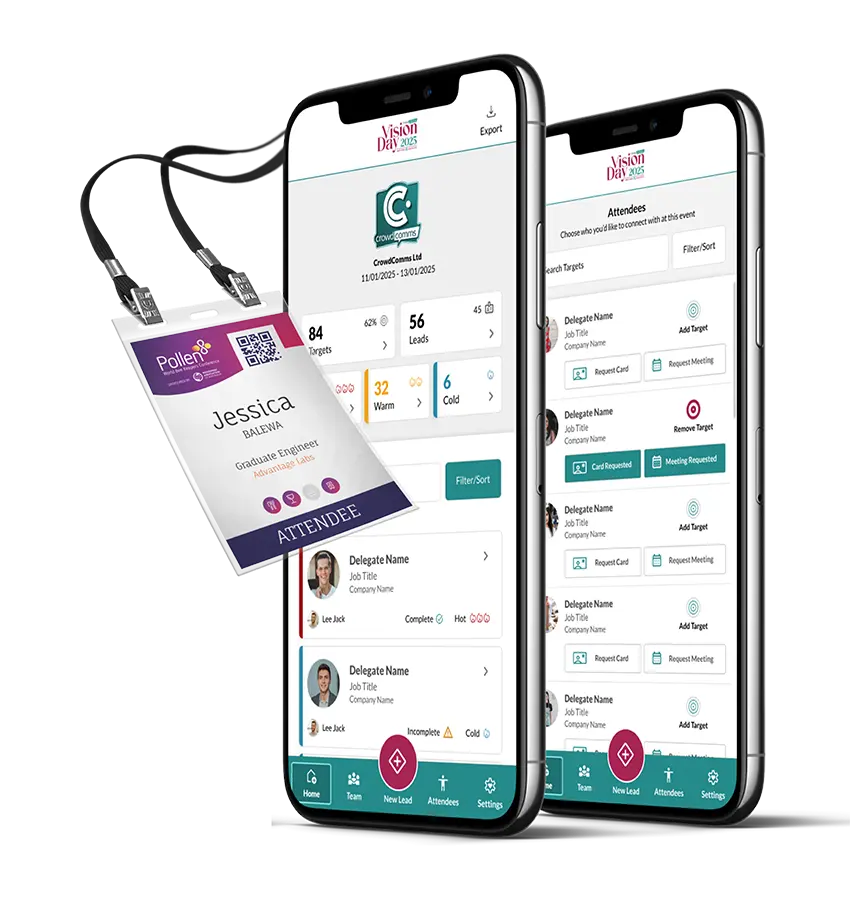
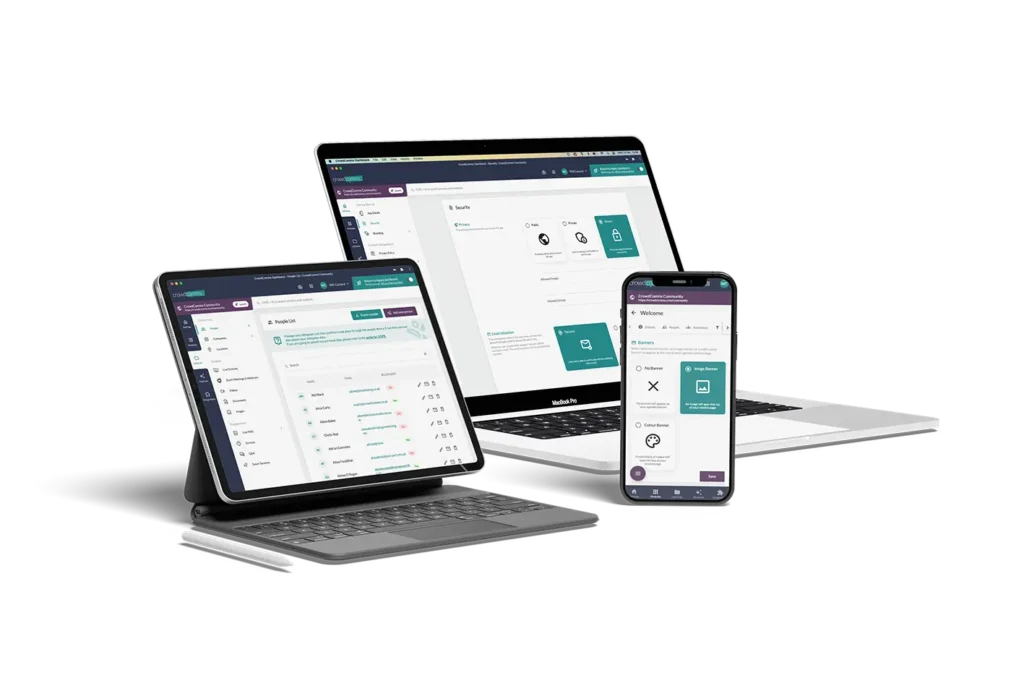
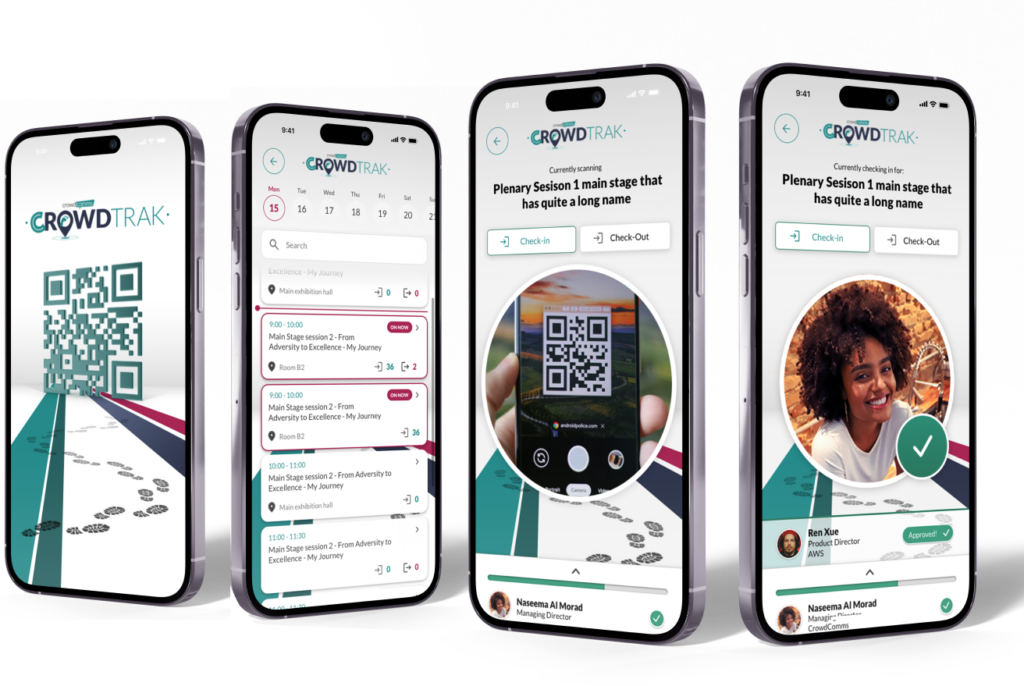

Works natively within the wider CrowdComms event platform for a single, connected solution.

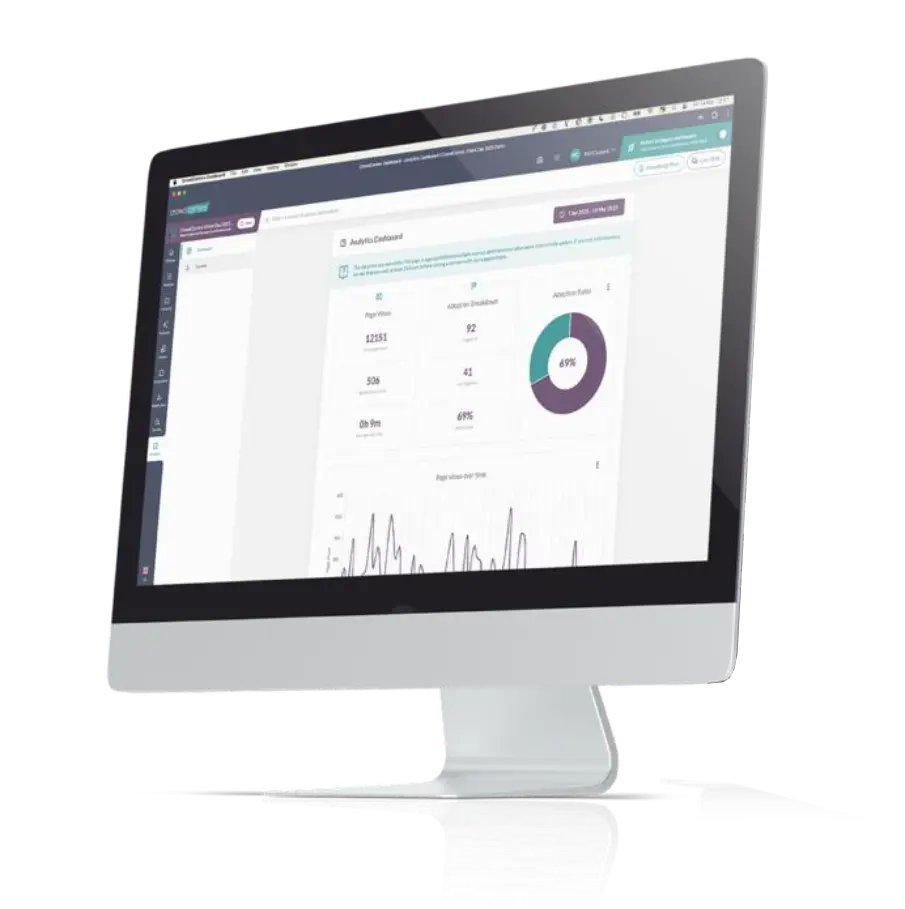
Analyze post-event reports for trends, engagement, and ROI.
Optimize future events with actionable insights.
The easiest way to track event attendance is through digital check-in using an event app or badge scanning solution.
This type of event attendance tracking allows attendees to scan a QR code or badge when they arrive, with attendance recorded instantly in real time.
If you’re wondering how to track attendees, modern event technology can also monitor session attendance and provide live participation numbers, giving organisers a clear and accurate picture of who is onsite without the need for manual counting.
Attendance tracking software is a tool that helps organisers see who is attending an event by logging attendees as they check in using an app, QR code, or badge scan.
For anyone wondering what is event attendance software, it provides a quick and accurate view of attendance in real time, without the need for manual lists or paper-based processes.
An attendance tracker event solution can also provide additional insights such as session attendance, live participation numbers, and overall attendee engagement throughout the event.
Session attendance tracking is the process of recording who attends each individual session at an event, typically by scanning a badge or QR code at the room entrance.
This makes it easy to track session attendance in real time, providing organisers with accurate participation data without manual counting.
A simple session check in process also helps identify the most popular sessions, monitor room capacities, and provide valuable reporting after the event.
Yes. QR code attendance tracking is one of the simplest and most effective ways to monitor attendance at an event.
Each attendee is assigned a unique QR code linked to their profile. During QR event check in, scanning the code instantly records their arrival and updates attendance records in real time.
This provides organisers with a fast, accurate view of who has arrived, without the need for manual check-in lists or paper-based processes.
CPD attendance tracking can be achieved in several simple ways, helping organisers demonstrate participation and support CPD or CE accreditation requirements.
Common approaches include:
Many organisations use CPD event software to combine these participation records into a single attendance history. This creates a reliable audit trail that can support CE credits event tracking and the automated delivery of certificates once participation requirements have been met.
If you’re looking for the best way track conference attendance, QR code scanning is one of the simplest and most effective options.
As one of the most effective attendance tracking methods, QR code scanning provides a simple and accurate record of who attended what, while eliminating the need for manual sign-in sheets.
It also provides real-time reporting, allowing organisers to monitor attendance live and generate detailed participation reports after the event.
Yes. Virtual event attendance tracking works for virtual and hybrid events just as effectively as it does for in-person events.
For hybrid event attendance, in-person participation is typically captured through QR code or badge scanning, while virtual sessions track attendance, viewing time, and engagement automatically.
This also enables online event attendance reporting, bringing both physical and virtual participation data together into a single, easy-to-understand report.
Event attendance tracking accuracy is very high when digital tools are used correctly.
For anyone asking how accurate attendance tracking can be, QR code scans and app check-ins create real-time, time-stamped records that are far more reliable than manual sign-in sheets or headcounts.
This improved event attendance reliability gives organisers greater confidence in their attendance data, reporting, and accreditation records.
Yes. You can track attendance event app activity through QR code scans, digital check-ins, and session attendance monitoring.
Event app attendance tracking creates clear, time-stamped records in real time, giving organisers an accurate view of who attended the event and which sessions they participated in.
This app based attendance approach is simple to manage, highly reliable, and eliminates the need for manual attendance lists.
Event attendance reporting is straightforward with modern attendance tracking tools.
You can generate an attendance report event summary showing who checked in, when they arrived, session attendance, and overall attendance compared to registrations.
These post event attendance analytics help organisers identify no-shows, peak arrival times, popular sessions, and overall engagement, making it easier to evaluate event performance and plan future events.
RFID vs QR attendance tracking is mainly a comparison between automation, speed, and cost.
With RFID event tracking, chips embedded in badges or wristbands are detected automatically as attendees pass a reader, making attendance capture fast and hands-free. However, this technology typically comes at a significantly higher cost.
When comparing RFID vs QR events, QR codes require each attendee to be scanned individually, but they are much simpler to implement, highly reliable, and considerably more cost-effective for most events.
Certification attendance tracking is typically achieved by scanning attendees in and out of each session to create accurate attendance records and timestamps.
This type of certification event tracking provides a clear audit trail, showing exactly who attended and for how long.
The resulting reports can also support accreditation event attendance requirements, providing the evidence needed to issue certificates, CPD points, CE credits, or other forms of accreditation.
Yes. Attendance tracking sponsor ROI reporting can provide valuable evidence of how attendees engaged with sponsor sessions, activations, and other branded experiences.
By measuring sponsor ROI attendance against specific activities, organisers can demonstrate how many attendees participated, when they engaged, and which sponsor touchpoints generated the most interest.
This attendance data sponsors receive helps quantify event performance and provides a clearer picture of the value delivered through sponsorship.
To track no shows event attendance, simply compare your registration list with the attendees who actually checked in using QR code scanning, badge printing, or an attendance tracking app.
This type of event no show tracking makes it easy to identify who attended and who did not, providing accurate attendance statistics without manual reconciliation.
You can also generate an attendee no show report to analyse attendance rates, identify trends, and support future event planning and communications.
Yes. Attendance tracking GDPR compliance is fully achievable when attendee data is collected, stored, and processed correctly.
This includes managing GDPR attendance data through secure systems, maintaining clear consent processes, and being transparent about how attendee information will be used.
Strong event attendance privacy practices help ensure attendance data is handled responsibly while meeting GDPR requirements.
Yes. You can track exhibitor stand attendance using QR codes, badge scanning, or dedicated lead capture technology, making it easy to see who visited each stand.
This type of stand footfall tracking provides visibility into visitor numbers and engagement levels throughout the event.
For more detailed insights, booth attendance tracking can be combined with lead capture tools, allowing exhibitors to record individual interactions, qualify leads, and measure engagement rather than simply counting visitors.
Staff attendance events data can be captured using QR code scanning and digital check-in tools, providing a clear record of who is onsite and when they arrived.
This approach supports volunteer attendance tracking event requirements by providing accurate attendance records throughout the event.
Using staff check in events technology also helps organisers coordinate teams more effectively and maintain visibility of staff and volunteer attendance in real time.
Yes. Multi day event attendance is easy to manage, as attendance can be tracked by day, session, or activity using tools such as QR code scanning.
This type of multi day attendance tracking gives organisers a clear view of who attended what and on which day, helping to build a complete attendance record across the event.
This provides valuable reporting and insight into attendee participation throughout the entire event.
Yes. Attendance data CRM LMS integrations allow attendance records to flow back into your CRM or learning management system through direct integrations or simple data exports.
This attendance CRM sync helps keep attendee records up to date, making it easier to track engagement, participation, and follow-up activity.
It can also support LMS event attendance reporting, helping organisations manage training records, accreditation requirements, and learner progress more efficiently.
Registrations vs check ins vs attendance can be summed up as intent vs presence vs engagement:
Understanding these event attendance definitions helps organisers measure different stages of attendee participation throughout the event lifecycle.
These distinctions also provide more meaningful attendance metrics events reporting, helping organisers understand not just who registered, but who attended and engaged.
Queue free attendance tracking can be achieved using QR codes, self-scan badges, or mobile app check-ins that allow attendees to check themselves in quickly.
These approaches support fast attendance tracking, reducing bottlenecks and helping attendees move through registration and session entry points more efficiently.
A no queue check in process improves the attendee experience while still providing accurate, real-time attendance records for organisers.
Yes. Automated attendance tracking is possible using technologies such as RFID, which can record attendance automatically as attendees move around an event without requiring manual scans.
This type of passive attendance tracking provides a seamless experience for attendees while capturing attendance data in the background.
However, RFID solutions are typically more complex to implement and come at a higher cost than simpler alternatives such as QR code scanning.